

Explore Chichén Itzá with Nah Experience Tours – Your Gateway to Mayan Mysteries.
The Mystical Wonder of Chichén Itzá: A Must-Visit in the Riviera Maya
When exploring the Riviera Maya, visiting Chichén Itzá is an absolute must. This ancient Mayan city, a UNESCO World Heritage site and one of the New Seven Wonders of the World, offers a profound glimpse into the rich cultural heritage and advanced astronomical knowledge of the Maya civilization. Its historical significance and mysterious allure make it a top destination for travelers seeking both adventure and enlightenment.
History and Importance
Chichén Itzá was built by the Maya civilization, which thrived in regions of Mexico, Guatemala, Belize, Honduras, and El Salvador. Construction began around the 6th century AD, with the site reaching its peak between the 9th and 12th centuries. The Maya were remarkably advanced in astronomy, mathematics, architecture, and agriculture, and their ingenuity is reflected in the complex and impressive structures of Chichén Itzá.
Religious and Ceremonial Center
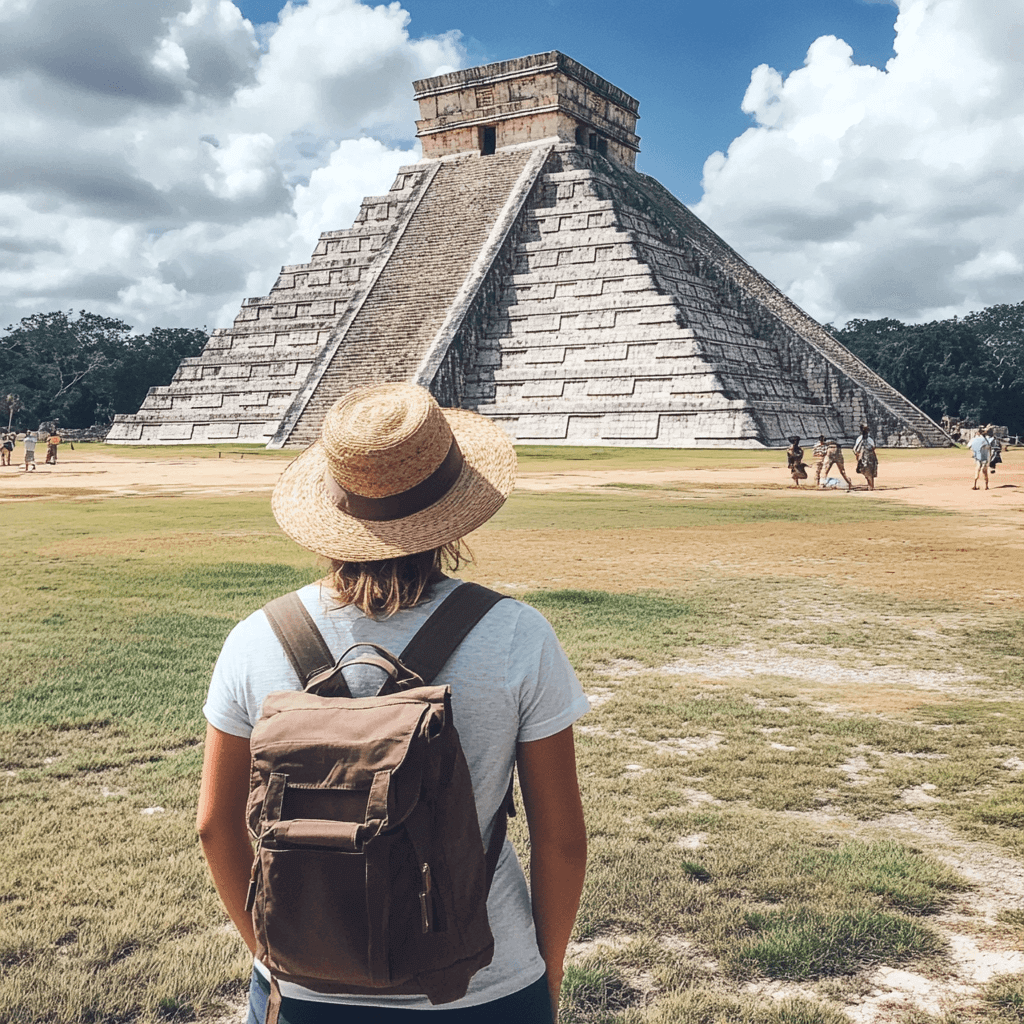
Chichén Itzá likely served as a significant religious and ceremonial center. The Pyramid of Kukulcán (El Castillo) and the Great Ball Court are monumental structures central to Mayan rituals and ceremonies. The sophisticated astronomical calendar incorporated into these buildings underscores the site’s importance in observing celestial cycles and events.
Political and Commercial Hub
Beyond its religious significance, Chichén Itzá also functioned as a political and commercial hub. Its strategic location enabled control over trade routes and exchanges throughout the Yucatán Peninsula and beyond. The rulers of Chichén Itzá likely wielded considerable influence over surrounding communities and established relationships with other city-states.
Manifestation of Power and Prestige
The construction of grand monuments such as the Pyramid of Kukulcán also served as a demonstration of power and prestige. These architectural achievements reinforced Chichén Itzá’s status as a major center of Mayan civilization.
Must-See Attractions in Chichén Itzá
The Pyramid of Kukulcán (El Castillo)
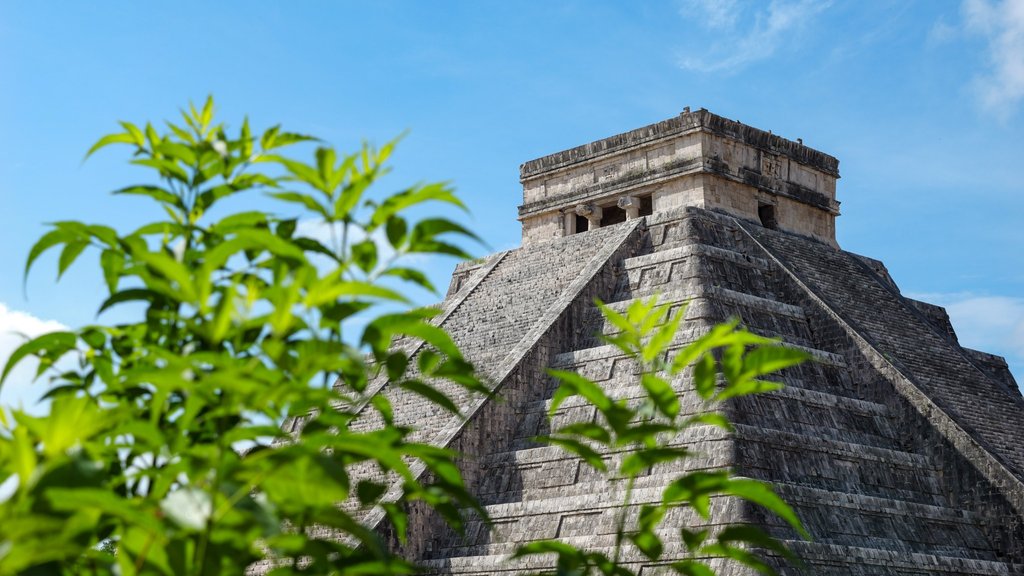
The Pyramid of Kukulcán is the iconic symbol of Chichén Itzá. This majestic structure, over 30 meters tall, is a masterpiece of Mayan architecture with references to astronomy.
The Great Ball Court
The Great Ball Court is one of the largest and best-preserved in Mesoamerica. This sacred space was used for ritual games involving a rubber ball, and its cultural significance continues to fascinate visitors.
The Sacred Cenote
The Sacred Cenote is a natural freshwater well used by the Maya for rituals and offerings. This geological formation is also a place of breathtaking natural beauty.
The Observatory (El Caracol)
El Caracol takes its name from the spiral staircase inside the building. Often called the Observatory, it may have been used for astronomical observations. The INAH guide to Chichén Itzá describes its circular form and successive remodeling phases.
The Temple of the Warriors
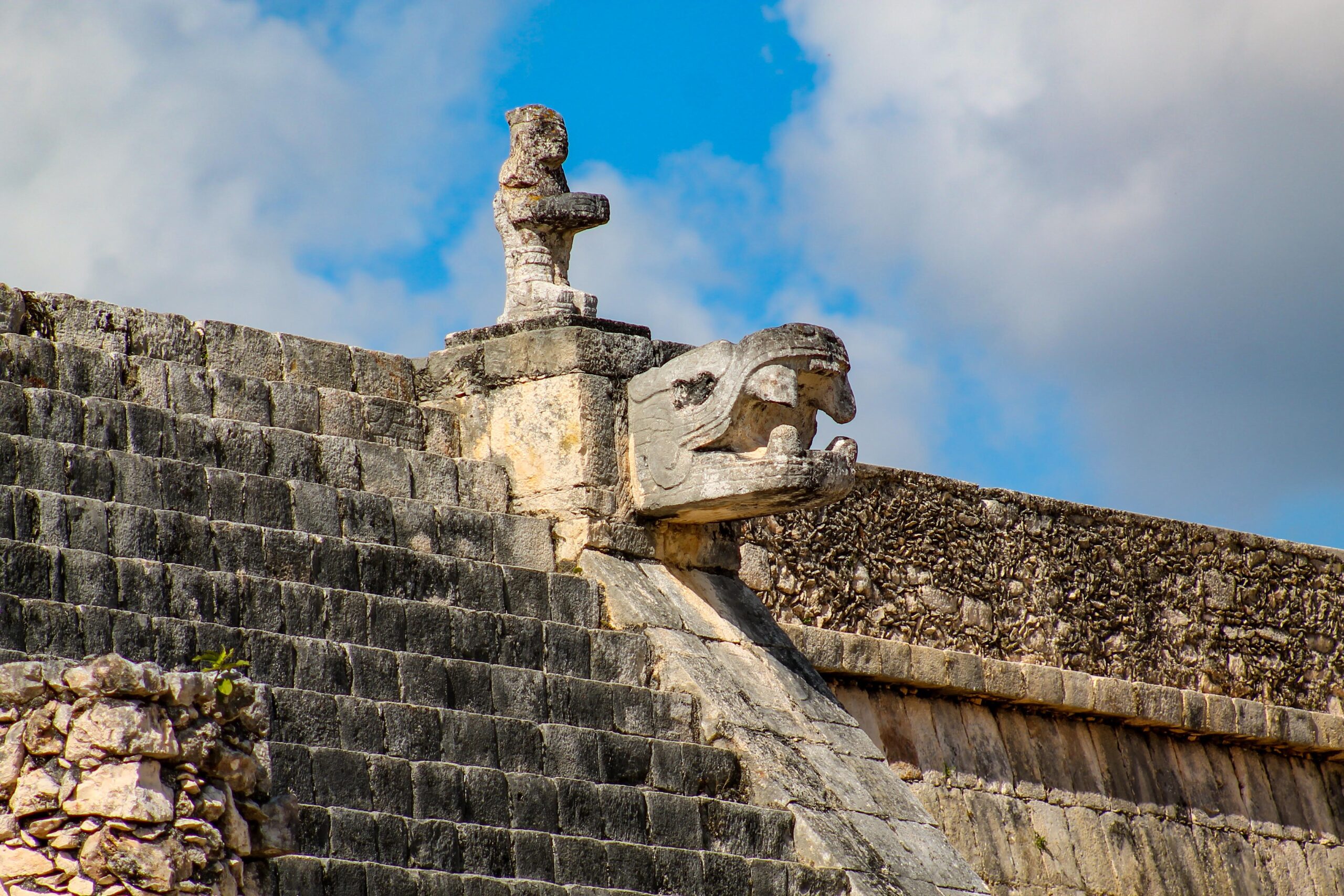
The Temple of the Warriors stands in the main plaza. Its columns and sculpted decoration offer another way to explore the imagery of Chichén Itzá; ask your guide how the figures relate to the building’s interpretation.
Visiting Chichén Itzá: With or Without a Guide?
When planning your visit to Chichén Itzá, you might wonder whether to explore with or without a guide. Here are the pros and cons of each option:
With a Guide
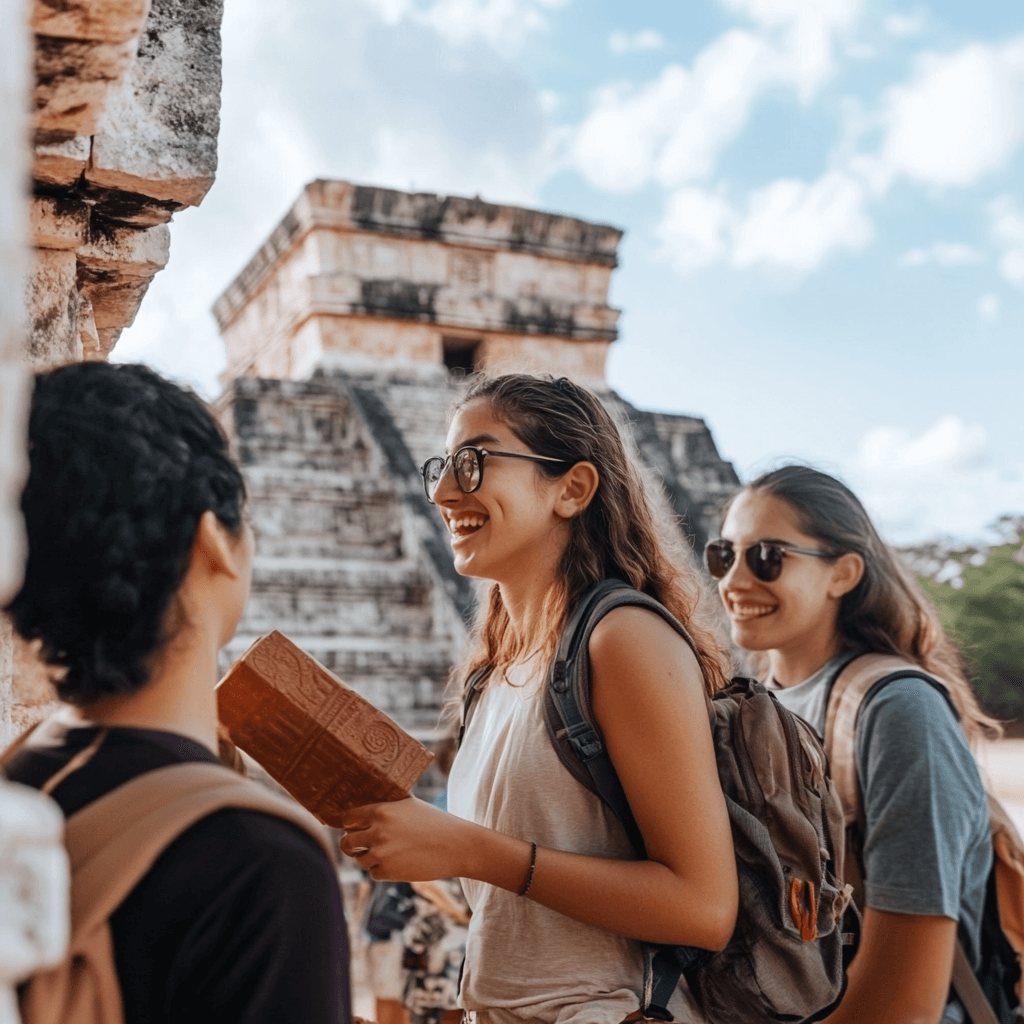
Enriching Immersion: A professional guide provides detailed explanations about the structures, rituals, and customs of the Maya, adding depth to your visit.
Exclusive Insights: Experienced guides reveal details and anecdotes you might otherwise miss. The visit stays within areas open to the public and follows the site’s access rules.
Accurate Interpretation: A guide ensures accurate understanding of the sites and symbols, offering a comprehensive view of Mayan history.
Without a Guide
Freedom to Explore: Discover Chichén Itzá at your own pace and follow your interests without a fixed itinerary. However, keep in mind that exploring without a guide may mean missing out on the magic of the stories, history, and mysticism that only an expert can bring to life.
Flexibility: Spend more time at locations that intrigue you most without the constraints of a guided tour.
Beyond El Castillo: choose a theme for your visit
Before booking, tell your guide what interests your group most. A focused question can be more useful than a long checklist of monuments:
- Architecture: Ask how the Puuc and Chenes features of the Las Monjas group differ from the main plaza. La Iglesia is noted for its geometric façade decoration.
- Ritual and public life: At the Great Ball Court, ask what the stone rings and carved reliefs suggest about the game’s role beyond sport.
- Astronomy: Use El Caracol as a starting point to ask which interpretations are supported by evidence and which remain uncertain.
These are discussion ideas, not a promised route. Ask which areas are open and how your priorities fit the visit, your group’s walking comfort and the other stops in your day. Do not assume a private booking includes access to restricted buildings.
When to Visit Chichén Itzá
Dry Season (November to April)
The dry season offers sunny, dry weather with pleasant temperatures around 30°C, making it the best time to visit Chichén Itzá. Rain remains possible, so check the forecast and prepare for the conditions on your travel date.
Rainy Season (May to October)
The rainy season brings warmer, humid weather and frequent afternoon showers, with temperatures sometimes exceeding 35°C. While the lush vegetation is a plus, rain can limit outdoor activities.
Tourist Crowds
Chichén Itzá is popular year-round, but December, January, February, and Easter are peak times. For a quieter visit, choose months outside these high tourist seasons.
How to Plan Your Journey to Chichén Itzá
Driving independently: Check a current route from your exact accommodation to the archaeological site, including toll roads and the return journey. Playa del Carmen, Tulum, Cancún and Valladolid are different starting points; allow for traffic and stops rather than relying on a single travel-time estimate.
Traveling by bus: Check the operator’s current timetable, departure terminal, arrival stop and return service for your date. Do not assume a service runs directly from your hotel or drops you at the site entrance.
Taking a Nah Experience private tour: Send your accommodation and group details before booking. The team will confirm pickup, the expected return and any transfer supplement; check the listed inclusions rather than assuming every transfer or toll is included.
Choose Nah Experience Tours for Your Chichén Itzá Private Excursion
For a memorable and hassle-free visit to Chichén Itzá, choose Nah Experience Tours. We offer guided tours that provide in-depth insights into the history and significance of Chichén Itzá. With no hidden charges and a commitment to transparency and professionalism, we ensure your experience is both educational and enjoyable.
Compare the itinerary and group rates for our private Chichen Itza, cenote and Valladolid tour. Check the inclusions and pickup details, then ask Nah Experience about your date and accommodation before reserving.